Stacy Rodriguez, ARNP
After years of trying to fit the personal part of care around everything else, I've made more room for it. I'm glad I did.

When I worked as a nurse, I would spend my shift taking care of patients and stay afterward to finish documenting what I’d done. By the time I got to the charting, the shift was supposed to be over. That was how I tried to fit both parts of the job into a day that didn’t have room for them.
I loved the actual work. I started on a medical-surgical cardiac floor, but I wanted to be in trauma and critical care. I wanted to care for very sick patients, and when I got the opportunity, I took it. I liked having to think on my feet. I liked being useful. If my patients were taken care of and another nurse needed help, I helped.
Critical care asked a lot of me, physically and emotionally. I learned to keep doing my job when things were difficult without losing sight of the person I was caring for. I also learned that I couldn’t keep working that way indefinitely. The long shifts took a toll, and the documentation demands followed me wherever I went.
I went back to school to become a nurse practitioner and worked as a travel nurse along the way. A new hospital meant figuring out where things were and learning how that team worked. I became resourceful. I learned to rely on colleagues I had just met. I brought that experience with me into practice.
I thought being the person writing the orders might change some of the frustrations. It changed my responsibilities, certainly. But there was still the computer, the documentation, the time spent trying to get a treatment or test approved. I wanted to be paying attention to the patient. Sometimes I was the provider looking at the screen for too much of the visit. Guilty as charged.
My decision to practice differently developed over years. There wasn’t one particular incident that settled it. I kept having experiences that made the same thing more obvious: I needed more room to care for people the way I wanted to.
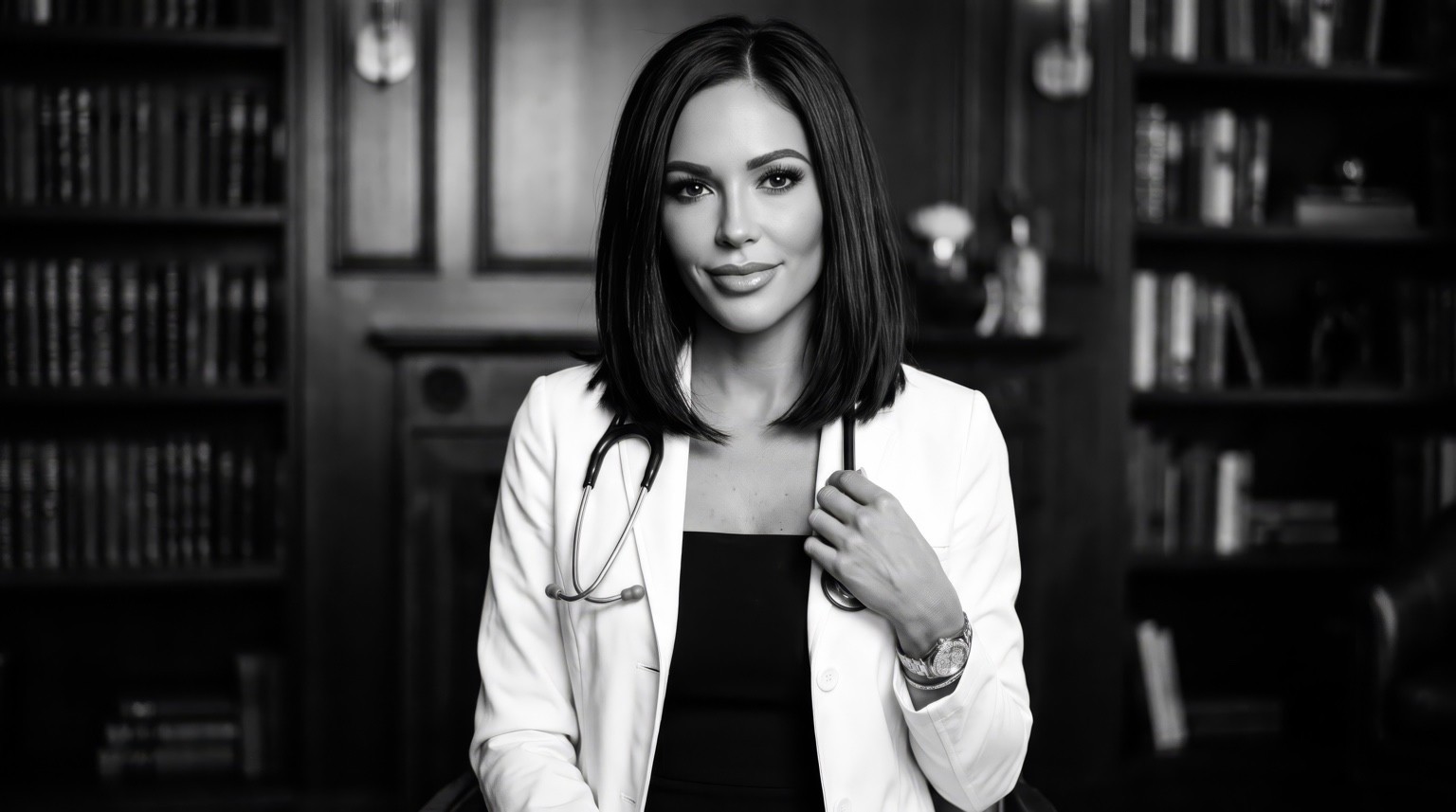
That eventually led me to concierge care. Today, I have more control over my schedule and how I spend time with patients. I can let a conversation continue when there is more to understand. I can think through alternatives rather than feeling rushed to finish the visit. I actually have time to make it personal.
For me, that starts with knowing a little about the life someone is going back to when we finish talking. What are they hoping to change? What are they afraid of? Can they afford the plan we’re discussing? Can they fit it around work? Those answers help me put together something realistic and manageable.
Cost deserves an actual conversation. I can’t control what every medication costs, but I can look for available discounts and talk through options. I’ve sent patients coupons myself. It may seem like a small thing, but if someone can’t afford a prescription, handing it to them hasn’t finished the job.
Time matters in much the same way. A patient who can’t take off work for an appointment may be able to speak with me in the evening from home. When a concern can appropriately be addressed remotely, that flexibility makes a difference. I can work around more of their day, and they don’t have to rearrange everything just to have a conversation with me.
It makes a difference to my life, too. I don’t have to spend all day in an office to do this work. I have less overhead and more freedom in how I organize my day. I’m happier practicing this way. I want to take good care of people, and I want a way of working that I can keep doing without running myself into the ground.

I still have charts to write, prescriptions to send and invoices to deal with. The paperwork is still there, believe me. That’s part of why I’m so interested in AI. If it can help with some of the clerical work, I want to understand how to use it. I have plenty I’d rather spend that time learning. It can give me wrong information, and checking it is still my job.
I want patients to be comfortable telling me the truth, including when they haven’t followed a plan or something isn’t working. I can explain my thinking, and they can tell me what I’ve missed about their situation. I want them involved in their care. Knowing someone well enough to have that conversation takes time, and I enjoy that part of the work.
That’s where I’m starting with The No BS Edit. There are plenty of things I want to talk about, including beauty, health and what technology might make possible. But this is the experience behind the way I look at all of it. After years of trying to fit the personal part of care around everything else, I’ve made more room for it. I’m glad I did.


For general education only. This is not a diagnosis or an individual treatment plan.
Back to the Edit